Durability
Steel frames and termites in Queensland: what the NCC actually says
By Lockyer Sheds, Crowley Vale QLD ·Comparing options · 5 min read · Published
Short answer
Under the NCC, a primary building element made entirely of steel is considered not subject to termite attack. A house framed in steel therefore removes the load-bearing frame from the termite question, but termites can still be active on the site and any other susceptible structural members still need protection. Your certifier decides what termite management, if any, the building requires. Lockyer Sheds supplies TRUECORE® steel frames across Queensland.
The short answer
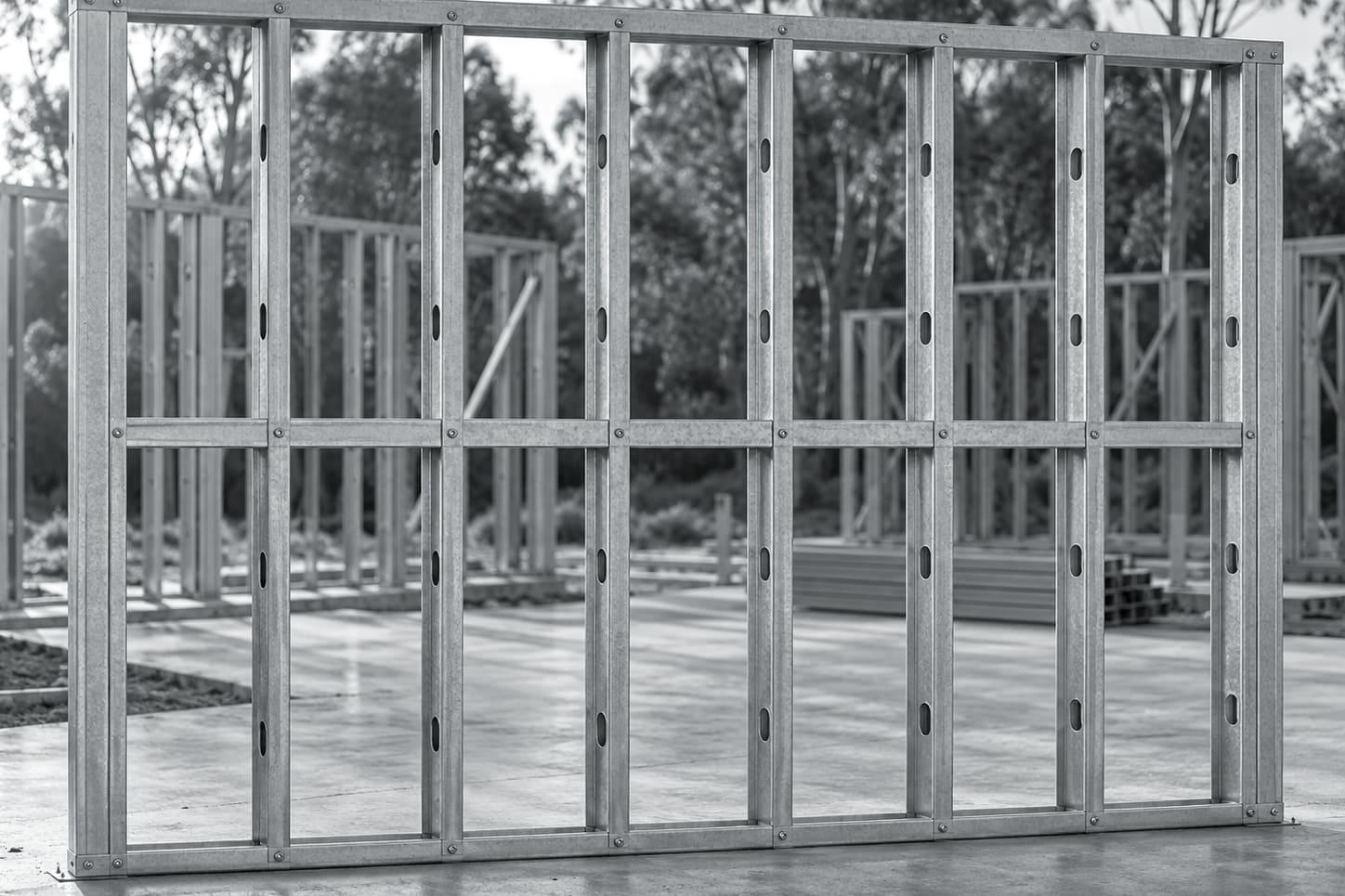
Termites do not eat steel. The National Construction Code puts it more carefully: a primary building element made entirely of steel, aluminium or other metals is considered not subject to termite attack. The same clause lists concrete, masonry, fibre-cement and termite-resistant or treated timber.
That is a strong position for a steel-framed house, and it is the reason many Queensland buyers look at steel in the first place. It is not the same as saying the house is termite-proof or that the site needs no thought at all.
What counts as a primary building element
The NCC defines primary building elements as the load-bearing members of the roof, ceiling, floor, stairs and walls, including bracing. In a steel-framed house that is the wall frames, roof trusses and, where supplied, the floor system. When all of these are steel, the structure itself is outside the termite rules.
Termite management requirements apply where subterranean termites are a known risk and a primary building element is susceptible. If only some primary elements are susceptible, only those elements need a termite management system. Mixed construction is where people get caught out: a steel frame with a timber verandah beam, timber posts or a timber-framed extension may still need protection for those members.
Note:Doors, joinery and linings are not primary building elements, so the NCC termite provisions do not attach to them. That does not mean termites will leave them alone. It means their protection is a matter of material choice and site management rather than an NCC requirement.
The Queensland rule on system design life
Queensland adds its own requirement. Where a termite management system is required for a non-temporary Class 1 building, it must have a design life of at least 50 years, unless the system is easily and readily accessible for replenishment or replacement.
The words 'where required' matter. With an all-steel frame, the certifier decides what, if anything, the building needs. Talk to your certifier early, because the answer affects the slab detail and the budget.
Termites are still on the site
The NCC explains that a termite management system deters concealed entry but will not stop termite activity on the site. The same logic applies to a steel frame. The frame is not food, but termites can still reach stored timber, landscaping, timber fencing and anything else cellulose-based around the home.
BlueScope describes a TRUECORE® steel house frame as 100% termite and borer proof without insecticide treatments. That is BlueScope's product statement about the frame. The regulatory wording above is what your certifier works to.
| Element | Material in a typical steel-framed house | Termite position |
|---|---|---|
| Wall frames and bracing | TRUECORE® steel | Considered not subject to termite attack (NCC 3.4.1) |
| Roof trusses | TRUECORE® steel | Considered not subject to termite attack |
| Floor system, where supplied | TRUECORE® steel | Considered not subject to termite attack |
| Timber posts, beams or an attached timber structure | Timber | Susceptible unless termite-resistant or treated; may need a system |
| Doors, joinery, linings | Various | Not primary elements; not covered by NCC termite provisions |
Extensions and renovations
A steel-framed extension on an existing timber house is a common Queensland job, and it is where the termite position is easiest to misread. The new steel members are considered not subject to termite attack. The existing timber structure is not changed by the extension, so whatever termite management it needed before, it still needs. Where new and old structure meet, treat the junction as part of the existing house when you talk to your certifier and pest manager.
The same applies to a steel frame that carries a few timber structural members for appearance, such as exposed timber beams in a living area or timber verandah posts. Those members are primary building elements and, unless they are termite-resistant or treated timber, they are susceptible. It is often simpler to keep the whole structure in steel and use timber only as a finish.
Questions to ask your certifier
- With an all-steel frame, trusses and floor system, what termite management does this building need, if any?
- Are any structural members in the design treated as susceptible, and how should they be protected?
- If a system is required, does it meet the Queensland 50-year design life requirement, or is it replenishable?
- What needs to be recorded or notified on site for the final inspection?
Asking these before the slab is poured avoids retrofitting a barrier later, which is always harder than building it in.
What this means when you plan a build
- Ask for steel throughout the load-bearing structure: walls, trusses and, if the design has one, the floor system. A kit from Lockyer Sheds can cover all three.
- List any timber structural members in the design, such as verandah beams or decorative posts, and decide how they will be protected.
- Ask your certifier early what termite management the building requires.
- Keep stored timber and garden debris away from the building during and after construction.
Getting a quote
Send your plans and tell us which parts of the structure you want in steel. We will quote the frame, trusses and floor system separately or as one kit, so you can see the price of taking timber out of the structure entirely.
Note:Queensland applies NCC 2022 until 1 May 2027, when NCC 2025 is adopted. Clause numbers in this guide are NCC 2022 references and will be reviewed when the new edition takes effect.